
Direct technical ownership
The people making architecture and implementation decisions stay involved in the conversation.
Quality X builds retail commerce systems that connect customer discovery with the catalog, pricing, stock, checkout, payment, fulfilment, store operations, and post-purchase support.
Teams looking for E-commerce Development need more than implementation capacity. They need product judgment, technical ownership, and a delivery process that exposes uncertainty early. That is the role Quality X takes.

The people making architecture and implementation decisions stay involved in the conversation.
Public pages use crawlable links, deliberate information architecture, structured data, image metadata, and measured performance.
Working software, reviewable releases, test results, and documented decisions make progress inspectable.
E-commerce Development should be scoped around users, workflows, data ownership, integrations, search intent, and operating constraints. Location may affect language, accessibility expectations, payment providers, data hosting, legal review, and the systems that need to connect. Those decisions belong in discovery, before they become expensive implementation changes.
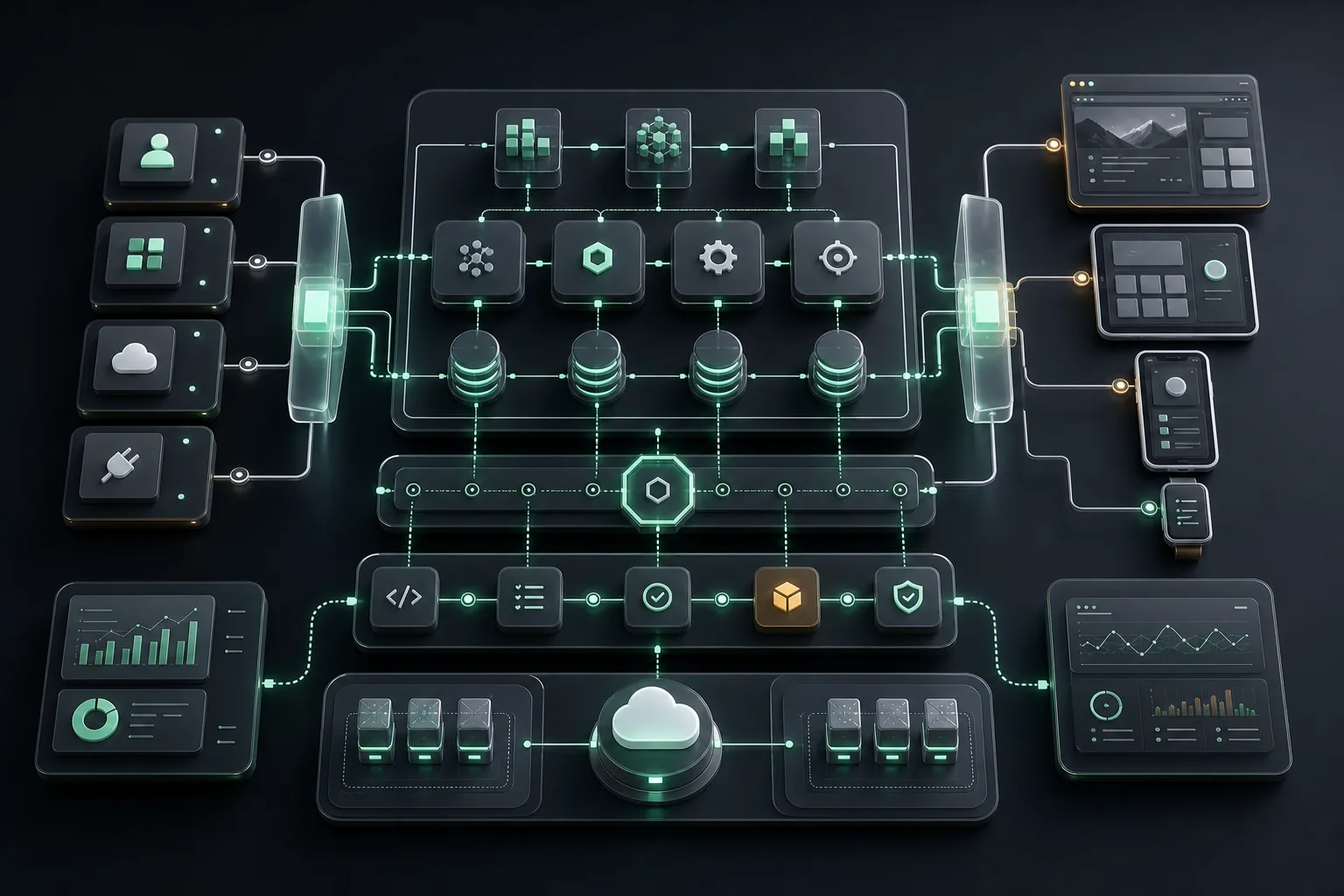
Retail catalogs may include variants, bundles, regional pricing, promotions, store availability, delivery restrictions, and content managed by several teams. The product model must establish ownership and prevent storefront, ERP, and marketplace data from drifting apart.
Delivery promise, pickup availability, inventory confidence, address rules, and cut-off times influence conversion and support load. These rules should be visible during product selection and cart review, not discovered after payment.
Category and filter architecture is planned so useful landing pages are indexable and uncontrolled combinations are not. Product schema, breadcrumbs, canonicals, internal linking, image metadata, and performance support search discovery as the catalog grows.
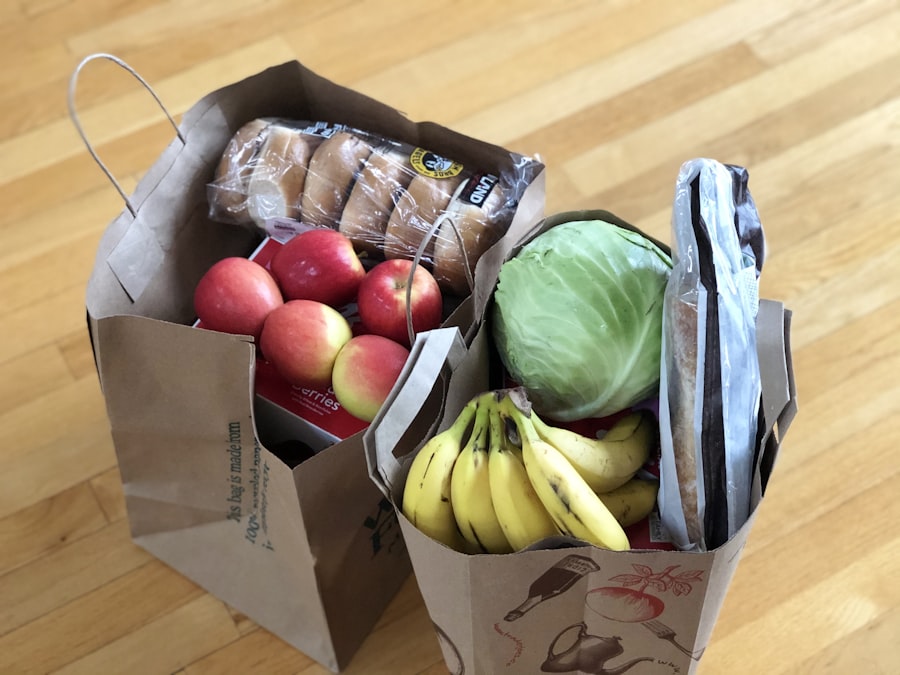
Kroger · United States · 2023

Yeprem Jewellery · International · 2024

Taqeef · UAE · 2024
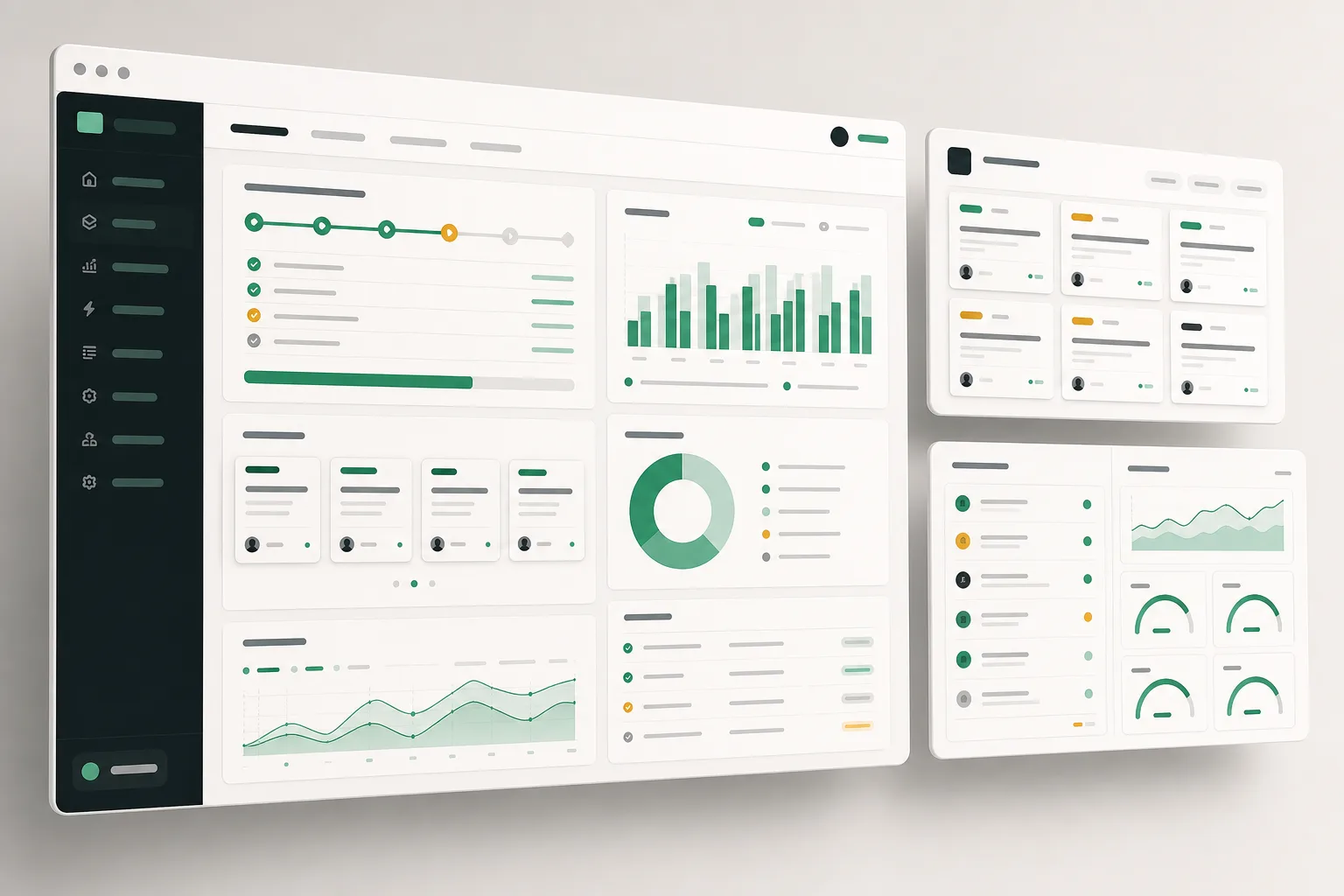
Yes, when the source systems expose reliable inventory data. We define ownership, update frequency, reservation rules, and failure behavior.
Yes. Availability can depend on location, stock, product type, cut-off time, and fulfilment capacity.
We define which combinations deserve crawlable landing pages and apply canonical, robots, and linking rules to the rest.
Yes. Product, stock, price, and order synchronization can be added when marketplace APIs and operational ownership are clear.
Have an existing system? We can review the architecture before proposing a rebuild.
Discuss the project