
Evidence over theatre
Working software, reviewable releases, test results, and documented decisions make progress inspectable.
We build logistics applications that make shipments, tasks, documents, partner events, exceptions, deadlines, and operational ownership visible across the workflow.
Teams looking for Web Application Development need more than implementation capacity. They need product judgment, technical ownership, and a delivery process that exposes uncertainty early. That is the role Quality X takes.

Working software, reviewable releases, test results, and documented decisions make progress inspectable.
The people making architecture and implementation decisions stay involved in the conversation.
Public pages use crawlable links, deliberate information architecture, structured data, image metadata, and measured performance.
Logistics software is shaped by events, exceptions, status transitions, partner integrations, and time-sensitive operations. Useful systems make ownership visible, preserve an audit trail, and recover cleanly when external services are delayed or unavailable.
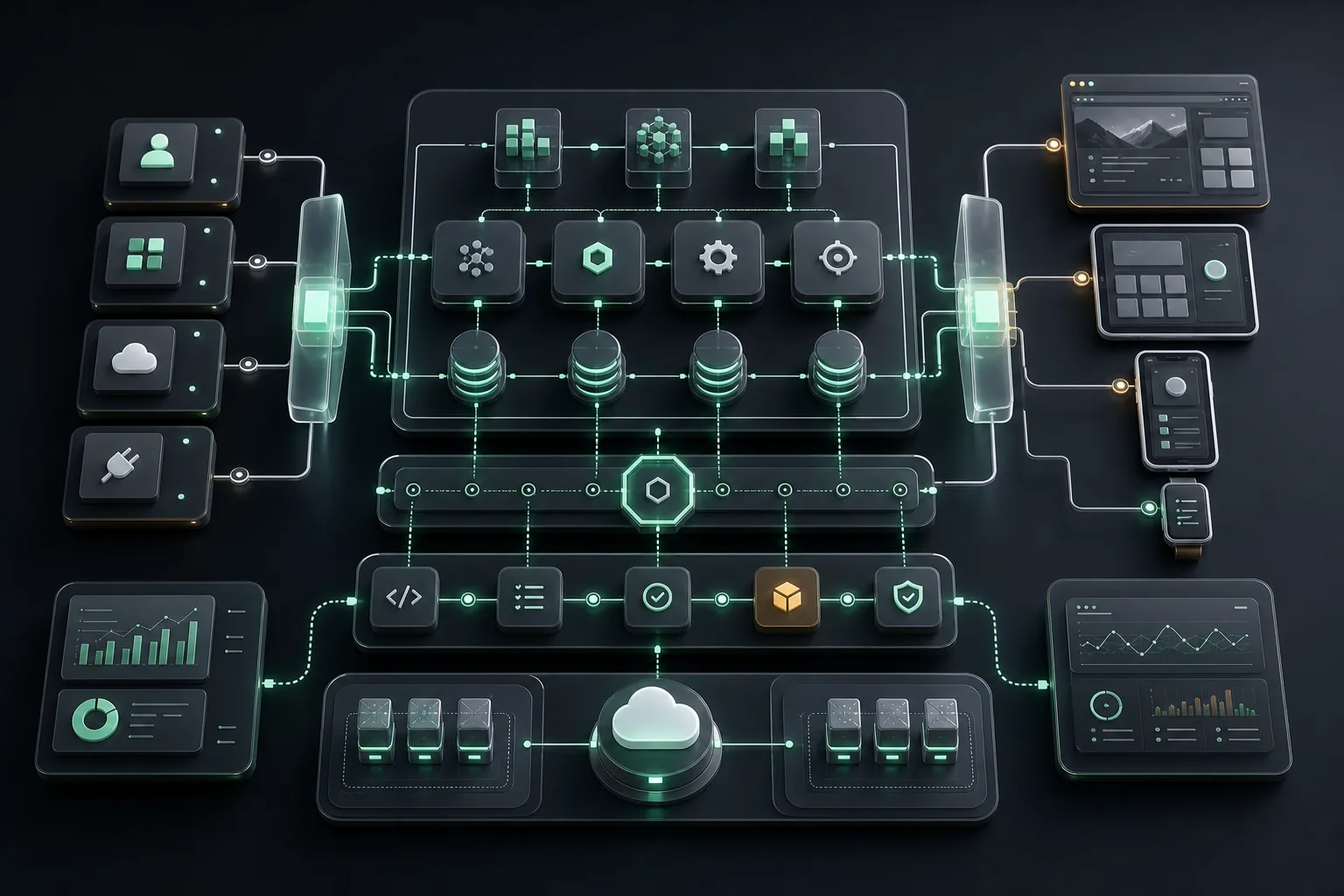
Logistics systems are shaped by status transitions, timestamps, locations, external events, documents, and exceptions. A useful data model preserves what happened, what should happen next, who owns the response, and which source produced the event.
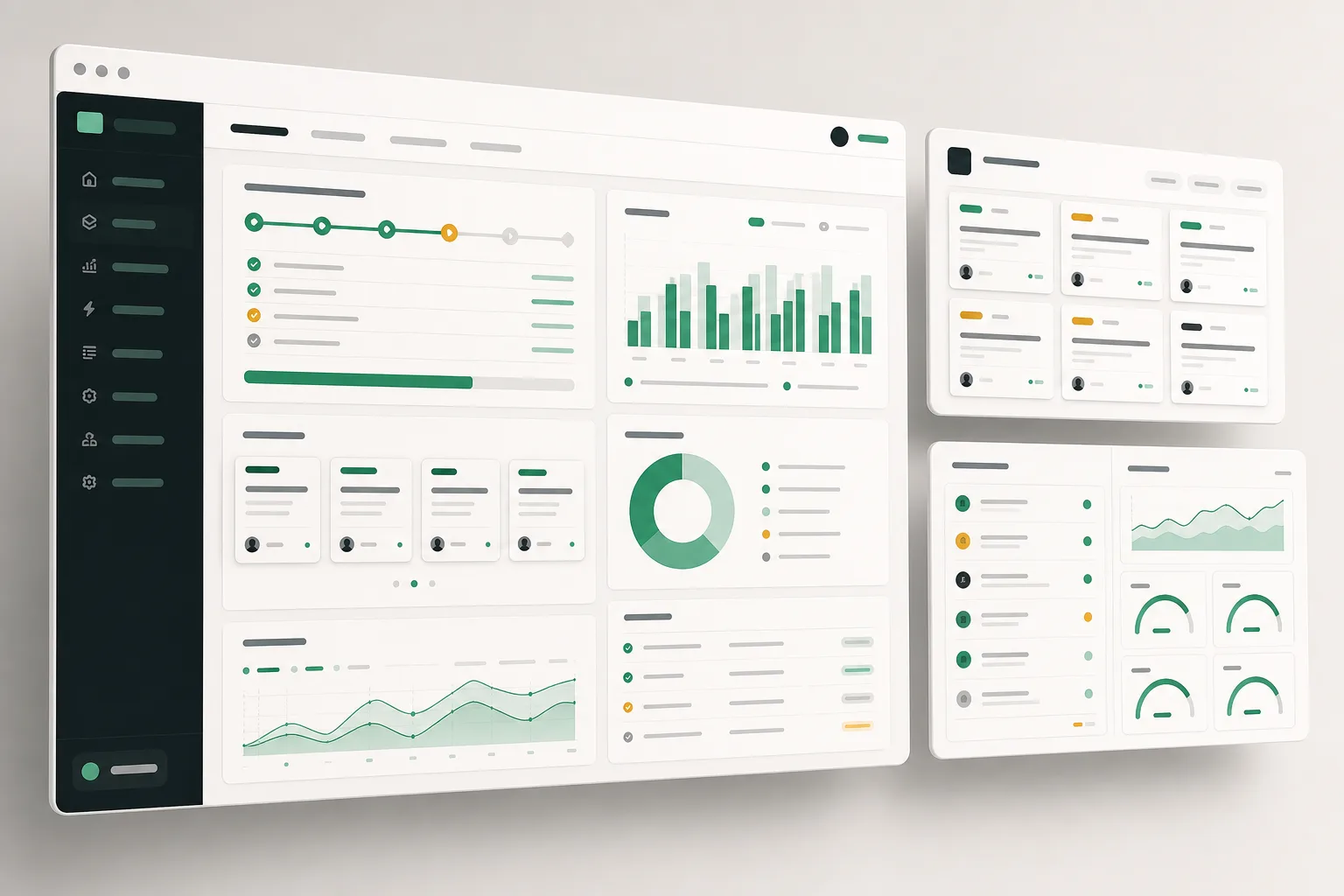
Teams need dense views with filters, saved searches, alerts, bulk actions, and clear status language. Responsive behavior should protect priority information rather than compressing a desktop table until it becomes unusable.
Carrier, warehouse, ERP, customs, mapping, communication, and customer systems may use different identifiers and availability patterns. Integrations require mapping, idempotency, queues, retry policies, reconciliation, and visible failure states.

Mayoral · International · 2024

Yeprem Jewellery · International · 2024

OSOSS (zFloos) · Saudi Arabia · 2024
Yes. We work with APIs, webhooks, files, queues, and scheduled synchronization based on provider capabilities.
Yes. Customer, partner, and internal views can expose different levels of status and event detail.
We use stable external identifiers, idempotency rules, event logs, and reconciliation to prevent duplicate processing.
Yes. Reporting can include saved filters, CSV or spreadsheet export, scheduled delivery, and API access.
Have an existing system? We can review the architecture before proposing a rebuild.
Discuss the project